This question and conversation comes up a lot, and I get it. Cabo and Tulum are two Mexico destinations that pop up in early planning conversations when you’re looking for something easily accessible, and you don’t want your wedding to look like anyone else’s. Each destination offers something different, and there are nuances that Instagram photos just don’t relay. Here’s the breakdown and perspective from my 15+ years in destination planning.
Cabo and Tulum: two Mexican destination wedding locations that photograph beautifully, have beach access, and have fantastic vendor communities that give you a lot of depth to tap into. Outside of that? They’re pretty much on the opposite end of the spectrum in every other way, and also on who they are best fit for — for couples and guests alike.
The couples that end up disappointed are often those that make decisions based on an image: from the cliffside infinity pool at a dusk-timed cocktail hour, or the jungle disco-fever dance party. They fell in love with the visual without understanding what the full picture includes: for their guests, for their budget, and for the days surrounding the wedding itself. That’s the conversation this post is written for before you start reaching out to venues.
The Cabo Details
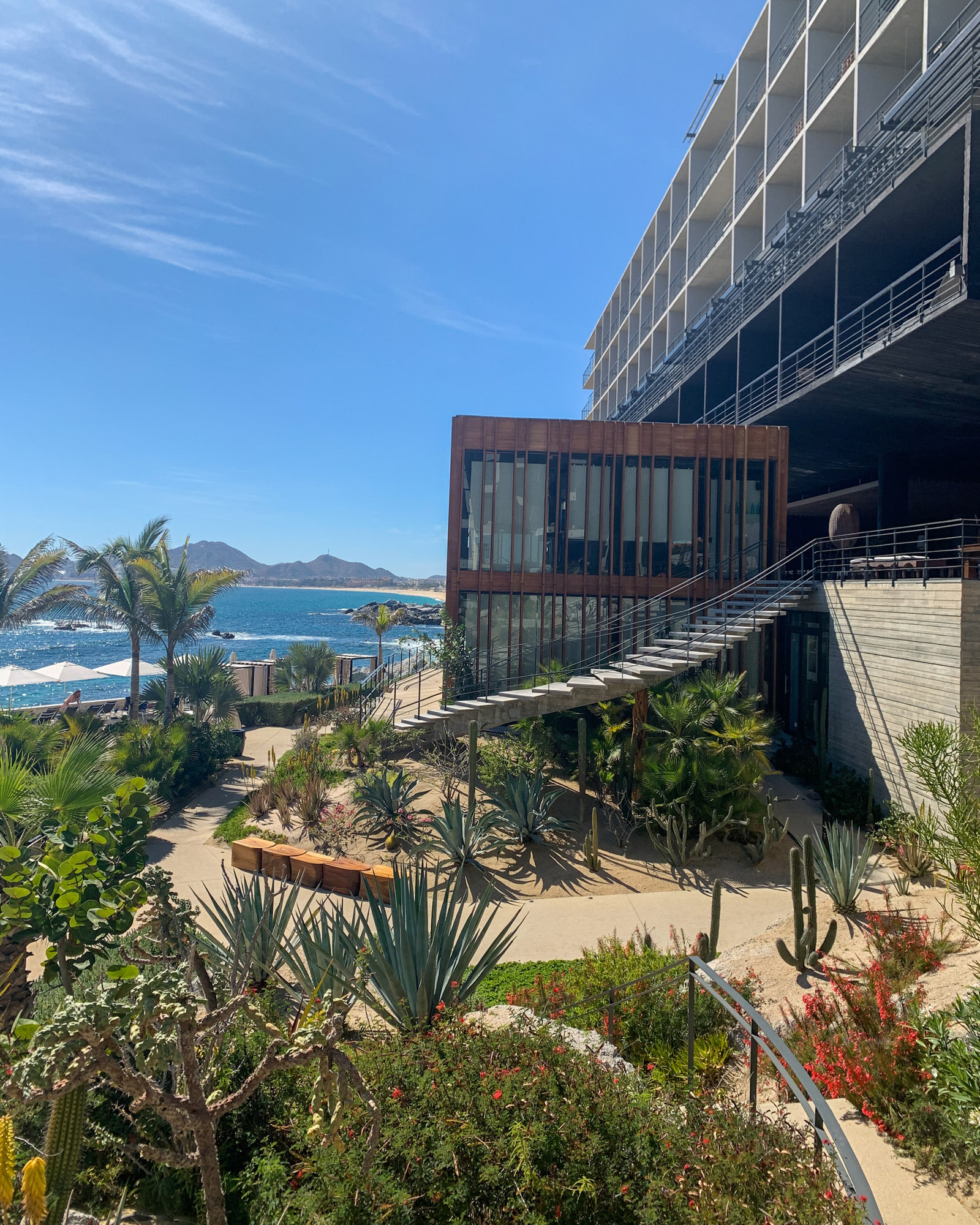
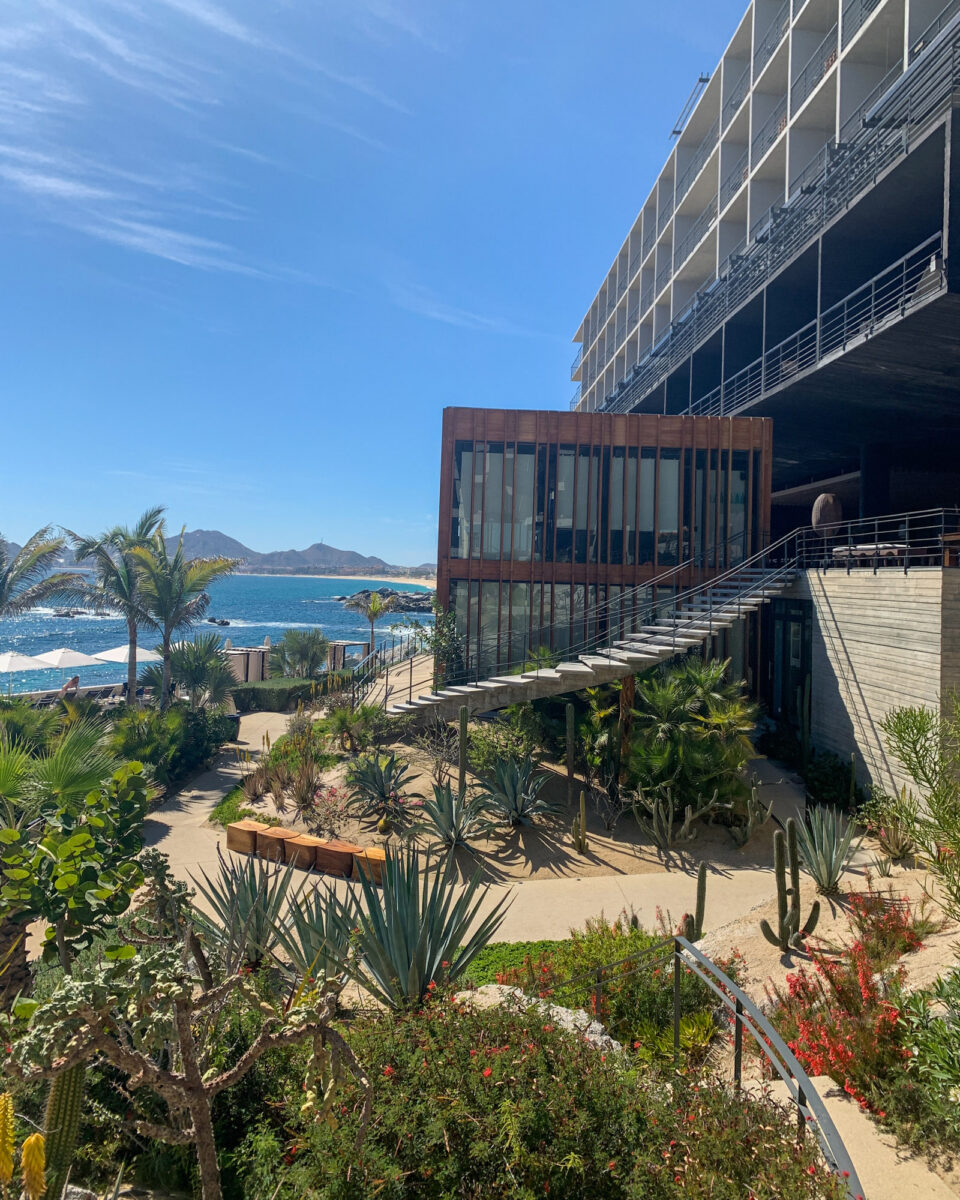
Los Cabos sits at the southern tip of the Baja Peninsula, where the Pacific meets the Sea of Cortez. It has been a destination wedding market for decades, which means the infrastructure is mature and the options are well-defined. That’s both the appeal and the limitation.
The ease case for Cabo is one of its strengths. SJD (Los Cabos International Airport) has direct flights from dozens of US cities. Guests land, clear customs, and are at their hotel within 30 minutes on a good day. No jungle to navigate, negligible traffic. The resort infrastructure means your guests have everything they need in one place — and that you can plan a wedding from across the country with an ease that reflects this infrastructure.
The venue landscape reflects this as well. You’re primarily choosing between resort properties and some level of private villas (depending on guest count). On the resort side: Esperanza, Las Ventanas al Paraíso, Chileno Bay, One&Only Palmilla, Four Seasons, The Cape — all the way to larger all-inclusive resorts. On the villa and standalone side: Acre Baja and a smaller number of private estate properties that allow more creative flexibility but often require a smaller guest count and have stricter noise restrictions.
There’s also San José del Cabo, just north of the main hotel corridor, which is worth knowing about — with its own character and a slightly different feel from the busier resort zone.
The weather in Cabo is more consistent than Tulum. You’re in a desert-meets-ocean climate, and the dry season window runs roughly November through April. Summer is hot and humid. August and September are hurricane season, which can extend into October. That said, compared to the Yucatán, Cabo’s weather patterns are more predictable — an asset if you’re prioritizing ease and reliability.
The vendor ecosystem in Cabo is strong. There are some amazing vendor partners in Cabo, including rental companies producing genuinely beautiful work and some really fantastic florists as well. The infrastructure to execute a high-production wedding is there — it’s not as developed as some markets, but for the right scope, it’s perfect.
What Cabo Actually Costs
Here’s where most couples get surprised: Cabo pricing is roughly on par with Southern California. This is not a discounted or deal destination. If you’re going to Cabo expecting to stretch your budget further than you could at home, adjust that expectation before you start inquiring.
The hotel/resort-oriented standard in particular carries costs that aren’t always obvious upfront. When you work with a resort property, you are generally required to use their food and beverage program, which means they set their catering and alcohol pricing, and there is pretty much zero flexibility. That lack of flexibility is part of the tradeoff for having guests on-property with no additional transportation required.
To give you a real example: The Cape, a Thompson Hotel property, runs approximately $400–$500 USD per person for food and beverage once you factor in all location fees and labor costs — including charges for things like removing loungers, umbrellas, and beach furniture from the event space. That figure is not unusual for the category and goes up according to the hotel’s level of luxury.
There are some key advantages: guests who don’t have to travel off property, large-group accommodation capacity (resorts are one of the few venue types that can comfortably host 100–150 guests in one property), and a wedding experience that’s well-produced and logistically smooth.
If you want more creative control over your vendor team and catering, you move toward the standalone and villa market. That flexibility comes with its own production requirements — you’ll be building more of the day from scratch — however it also means fewer non-negotiable minimums and more flexibility on design.
Honest budget perspective: at the level of work I’m comfortable recommending — vendors, production, and guest experience that I trust — I wouldn’t quote a Cabo wedding under $2,000 per person as a starting point. Depending on the property, the scope, and the vision, it goes well beyond that. Luxury hotels like One&Only Palmilla are a different budget conversation than a standalone villa. Knowing which category you’re best fit for helps simplify the search.
The Tulum Details
Tulum is a different character altogether, and a more complicated one than it was five years ago.
The appeal and lore is absolutely part of its magic: cenotes, jungle, pyramids in the background, world-class food, and a party scene that rivals European islands in the summer. She knows what she’s got — a visual aesthetic and atmosphere that doesn’t exist anywhere else in the world. If you have a genuine love of Tulum’s essence: the magic of an open-air palapa, candlelight in a cenote, fire, the ecosystem, then there’s very little like it.
On infrastructure: Tulum recently opened its own airport, which is a fantastic development. Guests no longer have to fly into Cancún and sit through a 90–120 minute drive, though the new airport is small and flight options are still limited compared to CUN. Most guests will likely still come through Cancún for the foreseeable future, which means ground transportation coordination is part of your planning.
Beyond that: guests need to be comfortable with what Tulum is. There are real infrastructure considerations — limited power capacity, occasional blackouts, and intermittent utility issues that are part of life in a destination that’s grown faster than its systems have. This isn’t a reason not to choose Tulum — it’s a point to walk in with appropriate expectations and to ensure your guest list is made up of people who can roll with that kind of experience.
The seaweed situation: sargassum — the seasonal seaweed buildup along the Caribbean coast — is an environmental reality in the Riviera Maya. It varies year to year and location to location, but it’s a factor for any event with beach access, and worth understanding before you commit to dates or venues.
The accommodation picture: until recently, Tulum had essentially no property capable of hosting a large group. The Conrad Tulum is the first property to change that, and it’s a needed development to support a growing guest count and need. Everything else in Tulum runs boutique and small, which is part of its appeal — however it also means guests are often spread across multiple properties. The luxury level of service at many of these boutique spots is also different from what you’d find at a traditional five-star resort. It’s just the nature of the destination, and those couples who love Tulum love this very quality.
Vendor advantage: Tulum sits in the larger Riviera Maya vendor ecosystem, which means you can pull talent from Cancún and throughout the region. And for the right kind of wedding — smaller, more intimate, design-forward, with guests who are there for an experience — the creative possibilities in Tulum are strong.
What Tulum Actually Costs
Tulum can look more accessible at the venue level than Cabo resorts, and in some cases that’s true. However, the full picture is slightly more complex.
Boutique properties tend not to carry the same F&B minimums as resort hotels, which can create flexibility. That being said, production costs for more design-forward venues means you’re often building significant infrastructure in an open-air or jungle setting — and this can add up. Guest transportation from Cancún adds a per-person cost that doesn’t exist in Cabo. And accommodation in a market with limited mid-range options means guest room costs can surprise people.
Same budget framing applies here: I wouldn’t quote a Tulum wedding I’d be proud of under $2,000 per person either. The aesthetics feel more relaxed than a five-star resort; the production costs to execute them well are not.
The Guest Question Nobody Talks About
Here’s the question that actually decides this for most couples, and almost nobody asks it upfront: what do you want your guest’s experience to be?
In Cabo: Guests land easily, have high-quality hotel options within a concentrated geography, can eat and drink well without leaving the property if they choose, and have the Baja desert and ocean as their backdrop. It’s a guest-friendly destination in the most literal sense. The weekend is comfortable, high-quality, and predictable — and for cross-generational guest lists, guests with children, or guests who are traveling internationally for the first time, this is a key factor.
In Tulum: Guests are getting the Riviera Maya: its jungle, cenote, wild tropics experience—that special kind of magic. If your people travel, eat adventurously, and game for an *experience*, Tulum gives them a weekend that Cabo doesn’t. It’s less predictable and a little more wild. That’s the appeal, however it requires the right guest list to be a good fit.
The mistake I see: couples drawn to the Tulum aesthetic for their wedding day, but with a guest list full of people who would have a better time in Cabo. Neither destination is wrong, but a mismatch between what you’re asking of guests and what you’re giving them in return is.
The Questions That Help You Decide
Before you fall in love with a venue or a visual, answer these honestly:
How many guests, and who are they? Tulum is best for smaller weddings with a well-traveled, experience-oriented crowd. Cabo handles larger counts and more diverse guest needs more comfortably.
What does the full weekend look like? The wedding day is one piece of it. Tulum’s strongest selling point is the entire experience. Cabo’s is the infrastructure and ease. Choose accordingly.
What is your actual budget? Both destinations often cost more than people expect. Get to a real number before you emotionally attach to a location, and hone in on your venue options within what works for you.
How important is creative control? More control means moving away from the resort model in Cabo and working with the standalone venue market in either Cabo or Tulum. This inevitably requires a stronger production team, and is absolutely worth it if that matters to you.
What I’d Say to Both Destinations
My honest opinion on Cabo: it’s not a deal, and it works exceptionally well for a specific kind of couple who wants a beautiful, well-executed wedding in a comfortable, easy-access destination and is willing to pay resort pricing for that experience. If that’s you, Cabo is fantastic.
My honest opinion on Tulum: it’s a destination that attracts guests who are there for an experience, not a resort vacation. It’s still evolving — more standalone venues are coming online, the airport is growing, the vendor infrastructure is strengthening. For the right couple and the right guest list, this can create a wedding experience unlike anything else.
Both destinations have the vendor capacity to execute at a high level. The question is always whether the destination itself is the right fit before the vendor search begins.
If Mexico City Is on Your List
Worth mentioning: if what draws you to Tulum is the cultural depth and architectural history, and what draws you to Cabo is the warmth and accessibility, there’s a third Mexico option worth considering.
Mexico City offers incredible architectural venues, food that’s exploratory and all over the map, a cultural richness that neither beach destination matches, and direct flight access from most major US cities. The only difference is that it’s a city experience, not a beach one — and for the right couple and guest count, it’s an adventure on another level. Here’s what I know about planning a Mexico City wedding.
Still Deciding?
This is exactly what The Destination Edit was built for.
Before you reach out to venues, before you hire a local planner, before you fall in love with a specific property — get a clear picture of whether the destination you’re considering actually fits your guest count, your budget, and your vision. The Destination Edit is a custom scouting report that covers the real venue landscape, guest logistics, budget reality, and a recommendation with actual reasoning behind it.
No commissions. No attachment to where you end up — only that it’s the right place for you.
See how The Destination Edit works.
*****
Frequently Asked Questions
Is Cabo or Tulum better for a destination wedding?
There’s no universal answer — they’re right for different couples. Cabo has stronger infrastructure, easier guest logistics, larger-group accommodation capacity, and a more established resort wedding market. Tulum has a more singular visual atmosphere — jungle, history, cenotes, killer food — and works best for smaller weddings with well-traveled guests who want an experience over a resort stay.
What does a destination wedding in Cabo actually cost?
Cabo pricing is roughly on par with Southern California, so it is not a deal destination. Resort properties require using their food and beverage programs, which carry significant per-person costs and leave little room for pricing flexibility or negotiation. The Cape, for example, runs approximately $400–$500 USD per person for F&B once all location fees and labor are factored in. At the level of production I’d recommend, budget a starting point of $2,000+ per person, with the understanding that luxury properties like Four Seasons, Chileno Bay, and One&Only Palmilla are a different conversation entirely.
What does a destination wedding in Tulum actually cost?
Boutique venue pricing can look more accessible than Cabo resorts, but production costs, guest transportation from Cancún, and accommodation in a limited market add up. Same honest baseline: $2,000+ per person for a well-executed event. What the money goes toward looks different — more production, less resort infrastructure — but the number is comparable. If you opt for non-weekend timelines, numbers can adjust.
Does Tulum have its own airport now?
Yes — Tulum’s new airport opened recently and is a great development. That said, it’s small, and flight options remain limited compared to Cancún International (CUN). Many guests will still arrive through CUN for the foreseeable future, which means ground transportation coordination remains part of the planning.
What is sargassum and does it affect Tulum weddings?
Sargassum is the seasonal seaweed that accumulates along the Caribbean coastline, including the Riviera Maya. It varies by year and by beach location, but it’s an environmental factor for any event with beach access in Tulum. It’s manageable with the right venue selection and timing, but worth understanding before you commit to a date.
Can Tulum accommodate a large wedding?
Tulum has historically been limited for larger groups, with most properties running boutique and small. The Conrad Hotel is the first property capable of hosting a larger guest count, and the destination is evolving. For now, Tulum is best suited to weddings under 80 guests. For larger weddings, Cabo or Mexico City are more comfortable fits.
What are the best Cabo resort venues for weddings?
The main resort options include Esperanza, Las Ventanas al Paraíso, Chileno Bay, One&Only Palmilla, and The Cape (Thompson Hotels). Each has different F&B minimums, vendor policies, and guest experience tradeoffs. For more creative flexibility, standalone properties like Acre Baja and private villas allow you to move away from the resort model. San José del Cabo, just north of the main hotel corridor, is worth knowing about as an alternative option.
What’s the best time of year for a destination wedding in Cabo or Tulum?
For both destinations, November through April is the most reliable window. In Cabo, the dry season is consistent; summer is hot and humid, and August–September sits in peak hurricane season. In Tulum, the Yucatán rainy season runs May through October, with hurricane season adding real risk from late August through mid-fall. For outdoor events in either location, I’d be cautious about dates between August and October.
Do we need a destination wedding planner for Cabo or Tulum?
Yes — and the reason matters. In Cabo, a planner with real vendor relationships can protect you from the resort default and give you more creative latitude than the in-house team will. In Tulum, local knowledge of the venue market, production requirements, and vendor ecosystem is essential. Vetting the right local planner is its own process. If you want guidance on that before you hire anyone, The Destination Edit covers exactly that.
How does this compare to other Mexico destination wedding options?
Cabo and Tulum are the two most-searched beach options, but they’re not the only ones. Puerto Vallarta and Punta Mita offer Pacific Coast alternatives worth considering. For couples drawn to cultural depth and architectural venues, Mexico City is in a different category and a gem. And for couples who want the desert aesthetic without leaving the US, Santa Fe is worth a look.

I’m Liz, founder of The Nouveau Romantics.
I’ve been planning weddings for 15 years, the last decade exclusively destination weddings. If you’re figuring out where your wedding should happen, The Destination Edit is where to start. If you’re ready to talk full planning, here’s how we work together. Or if you just want to talk it through, reach out here.